AMERICAN CHINESE TAOISM HEALTH RECUPERATION ORGANIZATION
A nonprofit organization dedicated to Taoist Wellness
Tel: ☎️ 626-818-3539
Taoism and Wellness
Mind-Body-Spirit Connection
Taoism recognizes the interconnectedness of mind, body, and spirit. Wellness is achieved by maintaining harmony among these elements, ensuring that each aspect supports and nurtures the others.
Balance and Harmony
Central to Taoist philosophy is the concept of yin and yang, representing the balance of opposites. Wellness involves achieving a dynamic equilibrium between these forces, balancing rest and activity, work and leisure, and other dualities in life.
Taoism incorporates the Five Elements (Wood, Fire, Earth, Metal, Water) theory in understanding health. These elements correspond to different organs and systems in the body. Balancing these elements promotes overall wellness and prevents disease.
Natural Living And Diet
Taoist principles encourage eating natural, seasonal foods and avoiding processed and artificial substances. This approach supports optimal health and aligns the body with nature’s cycles.
Taoism advocates for living in harmony with the natural world. This includes spending time in nature, observing natural rhythms, and adopting sustainable practices that promote environmental health and personal well-being.
Mindfulness and Meditation
Taoist meditation, such as Dazuo (sitting and forgetting) and Qigong (energy cultivation), helps calm the mind, reduce stress, and improve mental clarity. These practices cultivate inner peace and emotional stability.
Taoist practices often include controlled breathing techniques, which enhance lung capacity, increase oxygenation, and promote relaxation.
Physical Practices
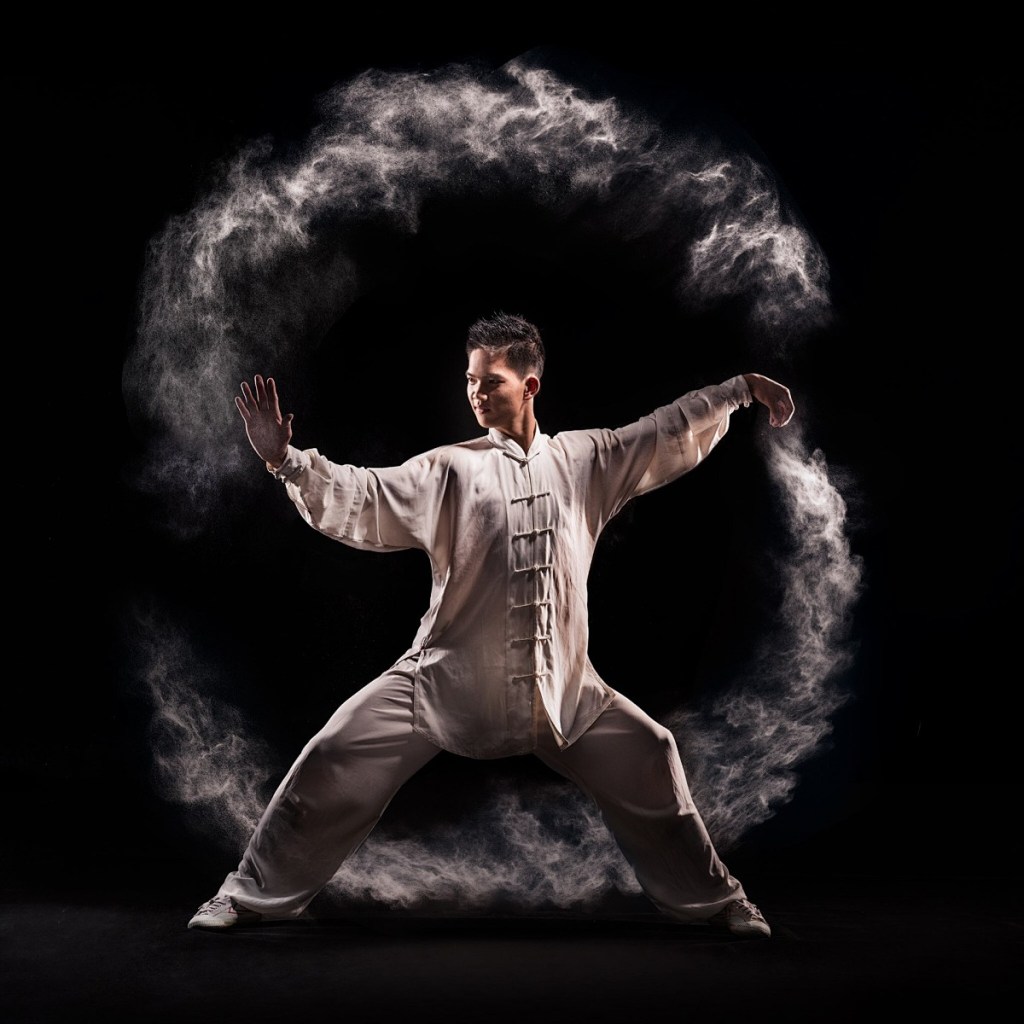
Tai Chi and Qigong involve gentle, flowing movements combined with breath control and meditation. They improve physical health by enhancing flexibility, strength, and balance, and also promote mental calmness and focus.
Emotional and Psychological Wellness
Taoism teaches the importance of maintaining emotional balance and equanimity. Practices such as mindfulness and meditation help manage emotions, reduce anxiety, and foster a positive outlook.
Embracing the Taoist principle of acceptance and non-attachment can reduce stress and mental turmoil. This approach encourages individuals to flow with life’s changes rather than resist them, fostering resilience and mental well-being.
Ethical and Moral Living
Taoism promotes virtues such as humility, compassion, and simplicity. Living ethically not only benefits society but also enhances personal well-being by fostering a sense of purpose and contentment.
 American Chinese Taoism Health Recuperation Organization