AMERICAN CHINESE TAOISM HEALTH RECUPERATION ORGANIZATION
A nonprofit organization dedicated to Taoist Wellness
Tel: ☎️ 626-818-3539
What is Taoism?
Taoism, originating in China, emerged as a distinct religion in the 2nd century CE and has a history spanning over 1800 years. It encompasses a rich and diverse array of beliefs and practices, rooted in ancient Chinese animistic traditions and the philosophical foundations of Huang-Lao thought. Taoism evolved by inheriting the concepts of immortals and esoteric practices from the Spring and Autumn and Warring States periods.
Taoism venerates Laozi as its founding sage and regards the “Tao Te Ching” as its principal scripture. The central tenet of Taoism is the concept of “Tao,” viewed as the fundamental principle underlying everything. Tao is all-encompassing and omnipresent, seen as the origin of all existence. Alongside “Tao” is “De,” which represents the manifestation of Tao within individuals. “De” embodies the virtues and functions of Tao.
Thus, Taoism instructs its followers to “cultivate Tao and nurture De,” aiming to achieve unity with the Tao and harmony with nature and society. Consequently, “Tao” and “De” form the core and fundamental doctrines of Taoism.

Core of Taoism
Taoism, originating in China, emerged as a distinct religion in the 2nd century CE and has a history spanning over 1800 years. It encompasses a rich and diverse array of beliefs and practices, rooted in ancient Chinese animistic traditions and the philosophical foundations of Huang-Lao thought. Taoism evolved by inheriting the concepts of immortals and esoteric practices from the Spring and Autumn and Warring States periods.
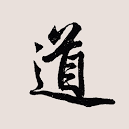
Tao is the ultimate reality, the underlying principle of the universe. It is ineffable and indescribable, encompassing all existence and non-existence. Understanding and aligning with the Tao is the central aim of Taoist practice. It involves living in accordance with the natural order, embracing spontaneity, and recognizing the interconnectedness of all things.
Wu Wei literally means “non-doing” or “effortless action.” It emphasizes acting in harmony with the Tao and natural flow of events, without unnecessary effort or force. Practicing Wu Wei allows one to achieve optimal results with minimal effort, fostering inner peace and reducing conflict.


Yin and Yang represent complementary opposites that interact within the universe, such as dark and light, female and male, passive and active. Balancing Yin and Yang energies within oneself and in the external world is essential for health, harmony, and spiritual growth.
Taoism seeks not only physical longevity but also spiritual immortality. It involves practices aimed at achieving longevity and transcendence beyond the physical realm. Pursuing immortality signifies a deep spiritual quest for union with the Tao and the realization of one’s true essence beyond the limitations of the mortal body.

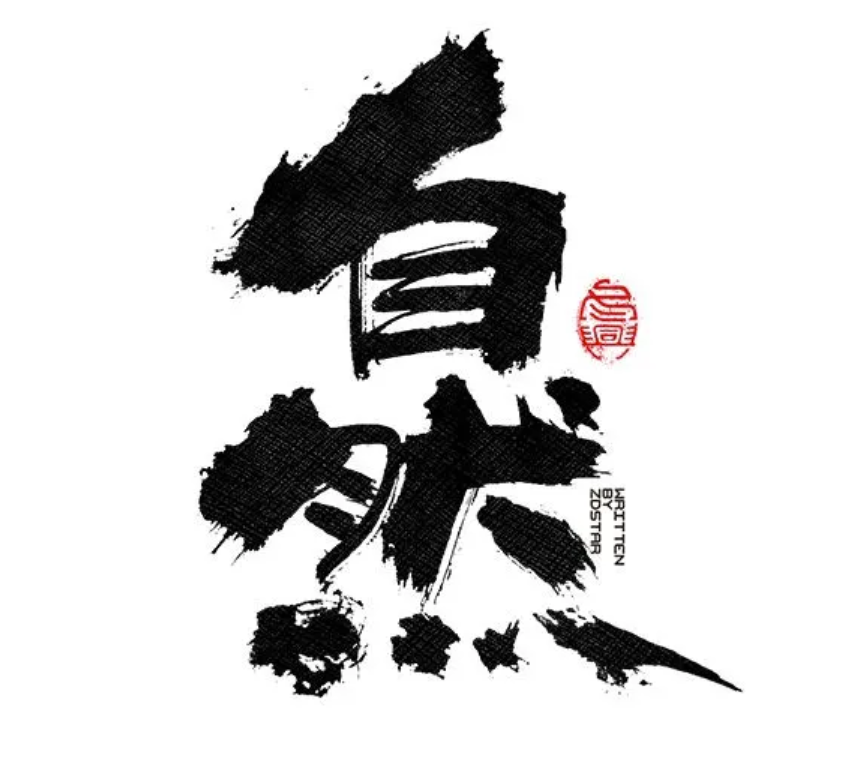
Ziran means “spontaneity” or “naturalness.” It emphasizes embracing and following the natural order and rhythms of life. Cultivating Ziran involves letting go of artificial desires and striving to live authentically, in harmony with one’s true nature and surroundings.
Taoism instructs its followers to “cultivate Tao and nurture De,” aiming to achieve unity with the Tao and harmony with nature and society. Consequently, “Tao” and “De” form the core and fundamental doctrines of Taoism.
 American Chinese Taoism Health Recuperation Organization